top of page

All Posts

Owning a luxury villa in Portugal is more than just a real estate investment. It’s a lifestyle choice. Portugal offers stunning landscapes, a warm climate, and a rich culture. These factors make it a prime destination for high-end property buyers. If you want to own a piece of paradise, this guide will help you understand the best options and how to make the right choice.


Discovering High-End Villas Portugal


When searching for high-end villas Portugal has to offer, you want properties that combine elegance, comfort, and exclusivity. These villas often feature spacious layouts, private pools, lush gardens, and breathtaking views. Whether you prefer the coast or the countryside, Portugal has something to match your taste.


Here are some key features to look for in a luxury villa:


  • Prime location near beaches, golf courses, or city centres

  • Modern architecture with high-quality finishes

  • Privacy and security with gated entrances and surveillance

  • Outdoor living spaces like terraces, patios, and gardens

  • Smart home technology for convenience and energy efficiency


By focusing on these elements, you ensure your investment is both enjoyable and valuable.


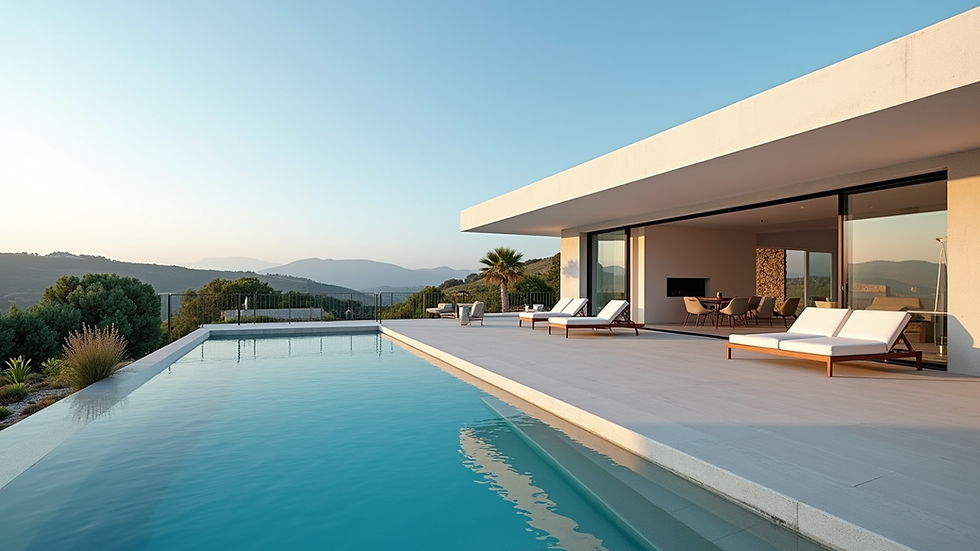
Eye-level view of a luxury villa with a private pool and garden
Luxury villa with pool and garden in Portugal

What is the most luxurious part of Portugal?


If you want to find the most luxurious part of Portugal, look no further than the Algarve region. This area is famous for its stunning coastline, golden beaches, and upscale resorts. Towns like Vilamoura, Quinta do Lago, and Vale do Lobo are hotspots for luxury living.


The Algarve offers:


  • Exclusive golf courses designed by world-renowned architects

  • Marinas filled with luxury yachts

  • High-end restaurants and boutiques

  • Year-round sunshine and mild winters


Another contender is the Lisbon Coast, especially Cascais and Estoril. These areas combine proximity to the capital with beautiful sea views and a sophisticated lifestyle. Here, you’ll find historic mansions alongside modern villas.


High angle view of a luxury villa overlooking the Atlantic Ocean in Algarve
Luxury villa with ocean view in Algarve

Why Invest in Luxury Villas Portugal?


Investing in luxury villas Portugal offers several advantages. First, the property market in Portugal is stable and growing. Demand for high-end homes is increasing, especially from international buyers. This means your investment is likely to appreciate over time.


Second, Portugal’s Golden Visa program attracts investors by offering residency permits in exchange for property purchases. This makes it easier for non-EU buyers to live and work in Portugal.


Third, owning a luxury villa here gives you access to a fantastic lifestyle:


  • Relax in your private pool or garden

  • Enjoy world-class golf and beaches

  • Experience rich culture and cuisine

  • Benefit from excellent healthcare and infrastructure


Finally, renting out your villa when you’re not using it can generate a steady income. Portugal’s tourism sector is booming, and luxury rentals are in high demand.


Close-up view of a modern villa’s outdoor dining area with sea view
Outdoor dining area of a luxury villa in Portugal

How to Choose Your Ideal Luxury Villa


Choosing the right villa requires careful consideration. Start by defining your priorities:


  1. Location - Do you want to be near the beach, in a quiet countryside, or close to a city?

  2. Size and layout - How many bedrooms and bathrooms do you need? Do you want guest houses or staff quarters?

  3. Amenities - Pool, gym, spa, home cinema? List what matters most.

  4. Style - Modern, traditional Portuguese, or a mix?

  5. Budget - Set a clear budget and stick to it.


Work with a trusted real estate expert who knows the local market. They can guide you to the best properties and negotiate the best price. Also, visit the villas in person to get a real feel for the space and surroundings.


Taking Action: Your Next Steps


Ready to own a luxury villa in Portugal? Here’s what you should do next:


  • Research the areas and types of villas that fit your lifestyle.

  • Contact a specialist like JP Faustino who can help you find the perfect property.

  • Arrange viewings to see the villas firsthand.

  • Understand the legal process and tax implications.

  • Plan your move or rental strategy to maximise your investment.


Don’t wait. The market is competitive, and the best villas sell fast. Take control of your dream today.


Owning a luxury villa in Portugal is within your reach. With the right knowledge and support, you can enjoy the beauty, comfort, and prestige that come with it. Start your journey now and make your dream home a reality.


Entering the building industry over three decades ago, I quickly realised that construction is not just about bricks and mortar. It’s about understanding local culture, regulations, and market dynamics. Working extensively in both the UK and Portugal has given me a unique perspective on how these two countries approach building projects. This post shares key differences and similarities between UK and Portuguese building practices, lessons learned from challenges faced, and practical tips for clients navigating the Portuguese property market.


Eye-level view of a traditional Portuguese villa under construction with scaffolding and workers
Traditional Portuguese villa construction site with scaffolding and workers

Key Differences Between UK and Portuguese Building Practices


Regulatory Environment and Permitting


In the UK, building regulations are highly standardised and strictly enforced nationwide. The process for obtaining permits is generally clear and follows a set timeline. Inspections happen at multiple stages, ensuring compliance with safety, energy efficiency, and accessibility standards.


Portugal’s system is more fragmented, with local municipalities having significant autonomy. This can lead to variations in permit requirements and approval times depending on the region. For example, coastal areas like the Algarve have stricter environmental controls compared to inland municipalities. Navigating this requires local expertise and patience.


Construction Materials and Techniques


The UK favours brick and block construction with cavity walls for insulation. Timber frames are common in residential builds, especially in modern developments. Roofs typically use slate or tile, designed to withstand frequent rain and colder temperatures.


Portugal’s traditional construction relies heavily on stone, concrete, and ceramic tiles. Walls tend to be thicker to provide natural insulation against summer heat. Flat or gently sloped roofs with terracotta tiles are common, reflecting Mediterranean influences. Recently, there has been a rise in green-certified buildings using sustainable materials, driven by EU regulations and market demand.


Labour and Project Management


UK construction projects often involve multiple specialised contractors coordinated by a project manager or main contractor. Labour laws are strict, with clear health and safety standards and union involvement.


In Portugal, smaller teams and family-run subcontractors are more common. While health and safety standards have improved, enforcement can vary. Project management tends to be less formal, with more direct communication between clients and builders. This can speed up decision-making but requires trust and clear agreements.


Similarities That Bridge the Gap


Despite differences, both countries share a commitment to quality and craftsmanship. Skilled tradespeople in the UK and Portugal take pride in their work, whether it’s bespoke joinery or intricate tile work. Both markets are adapting to new technologies such as Building Information Modelling (BIM) and energy-efficient systems.


Additionally, client expectations around transparency and communication are rising in both countries. Buyers want clear timelines, budgets, and updates, which is reshaping how builders operate.


Lessons Learned from 30+ Years in the Industry


Embrace Local Knowledge


One of the biggest challenges when working across borders is understanding local customs and regulations. Early in my career, I underestimated how much local knowledge matters. In Portugal, partnering with trusted local architects and legal advisors has been essential to avoid costly delays.


Adapt to Market Trends


The Portuguese property market has seen rapid growth, with house prices rising 48% over five years and foreign investment hitting €13.2 billion in 2024. This surge creates opportunities but also affordability challenges. Staying informed about market shifts, such as the Golden Visa changes redirecting investment to interior regions, helps tailor services to client needs.


Build Strong Client Relationships


Navigating building projects abroad can be stressful for clients. Clear communication, setting realistic expectations, and providing end-to-end support—from initial consultation to relocation—build trust. This approach has been key to JP Faustino’s success connecting UK and US buyers with Portuguese properties.


Tips for Clients Navigating Building Projects in Portugal


  • Understand the Permit Process

Start early and work with local experts to handle paperwork. Expect longer timelines than in the UK, especially in popular coastal areas.


  • Choose Builders Carefully

Look for contractors with proven experience and good references. Smaller teams can offer flexibility but require clear contracts.


  • Plan for Seasonal Variations

Construction slows during the hot summer months and holidays. Factor this into your project timeline.


  • Consider Energy Efficiency

Portugal is pushing green building certifications. Investing in insulation, solar panels, and efficient systems adds value and comfort.


  • Budget for Unexpected Costs

Currency fluctuations, supply chain delays, and local taxes can impact your budget. Keep a contingency fund.


  • Leverage Currency Strength

With GBP and USD strong against the euro, now is a good time for UK and US buyers to invest in Portuguese property.


Navigating Challenges with Confidence


The Portuguese building market offers exciting opportunities but requires careful navigation. Rising prices and affordability tensions mean buyers must act strategically. Agents often represent both buyers and sellers, so independent advice is crucial.


JP Faustino’s dual presence in the UK and Portugal, combined with a property maintenance arm in the UK since 2005, allows us to support clients throughout the entire buying and building journey. Our free initial consultations and market analysis help clients make informed decisions.


Building in Portugal is not just about replicating UK methods but blending the best of both worlds. Understanding local practices, respecting cultural differences, and applying decades of experience can turn complex projects into successful outcomes.


If you’re considering building or buying property in Portugal, start with expert advice and a clear plan. The right guidance makes all the difference.


Portugal’s property market is buzzing with opportunity. Whether you want a holiday home, a permanent residence, or a smart investment, now is the time to explore what this beautiful country has to offer. I’m here to guide you through the latest trends and give you practical tips to make your property journey smooth and successful.


Understanding the Current Portuguese Property Insights


The Portuguese property market has seen significant changes recently. Prices have been rising steadily, but there are still affordable options if you know where to look. Coastal areas like the Algarve remain popular, but inland regions are gaining attention for their value and charm.


Here’s what you need to know:


  • Rising demand: More people are looking to buy homes in Portugal, especially from abroad.

  • Diverse options: From modern apartments in Lisbon to rustic villas in the countryside, there’s something for every taste.

  • Government incentives: Portugal offers attractive tax benefits and residency programs for property buyers.

  • Sustainability focus: New developments often include eco-friendly features, appealing to environmentally conscious buyers.


These trends show a market that’s dynamic and welcoming. If you want to find your ideal property, understanding these insights will give you a clear advantage.


Eye-level view of a modern apartment building in Lisbon
Modern apartment building in Lisbon

Why Portugal is a Hotspot for Property Buyers


Portugal’s appeal goes beyond its stunning landscapes and mild climate. The country offers a high quality of life, excellent healthcare, and a safe environment. These factors make it a top choice for relocation and retirement.


Here are some reasons why Portugal stands out:


  1. Affordable living costs compared to other Western European countries.

  2. Strong rental market in cities and tourist hotspots, perfect for investors.

  3. Rich culture and history that add charm to every neighbourhood.

  4. Good infrastructure including international airports and reliable public transport.

  5. Welcoming communities that make integration easier for newcomers.


If you’re considering buying a property, these factors make Portugal a smart and enjoyable choice.


Can a Foreigner Buy a House in Portugal?


Absolutely. Portugal welcomes foreign buyers with open arms. There are no restrictions on foreigners purchasing property here. The process is straightforward, but it helps to know the key steps:


  • Get a Portuguese tax number (NIF): This is essential for any property transaction.

  • Open a local bank account: Needed for payments and managing expenses.

  • Hire a lawyer: To ensure all legal aspects are covered and contracts are clear.

  • Make an offer and sign a promissory contract: This secures the property while final checks are done.

  • Complete the deed of sale: The final step to officially own your property.


Foreign buyers also benefit from Portugal’s Golden Visa program, which offers residency permits for significant property investments. This makes Portugal even more attractive for international buyers.


Close-up view of a traditional Portuguese house with tiled roof
Traditional Portuguese house with tiled roof

How to Find the Best Homes for Sale in Portugal


Finding the right property can feel overwhelming, but it doesn’t have to be. Start by defining your priorities:


  • Location: Do you want city life, beach access, or countryside peace?

  • Budget: Set a clear budget including taxes and fees.

  • Property type: Apartment, villa, townhouse, or land?

  • Purpose: Will you live there, rent it out, or use it as a holiday home?


Once you know what you want, use trusted real estate agents and online platforms to explore options. For example, you can browse homes for sale portugal to get a feel for the market.


Here are some tips to make your search easier:


  • Visit properties in person if possible.

  • Check the condition and potential renovation costs.

  • Research the neighbourhood’s amenities and future developments.

  • Ask about property taxes and community fees.


Taking these steps will help you find a property that fits your needs and budget.


What to Expect from the Portuguese Property Market in 2024


Looking ahead, the property market in Portugal is expected to remain strong. Demand will likely continue to grow, especially in popular regions. However, there are signs that prices may stabilise, offering better opportunities for buyers.


Key trends to watch:


  • Increased interest in sustainable homes: Energy-efficient properties will be more sought after.

  • Growth in remote work-friendly locations: Areas with good internet and peaceful surroundings will attract buyers.

  • More government support: Incentives for renovation and green building projects.

  • Expansion of tourism: Boosting rental income potential in key areas.


If you act now, you can take advantage of these trends and secure a property that will appreciate in value.


Taking the Next Step Towards Your Dream Property


Buying property in Portugal is an exciting journey. With the right information and support, you can make it a smooth and rewarding experience. Start by researching the market, visiting properties, and connecting with experts who understand your goals.


Remember, the key to success is acting with confidence and clarity. Don’t wait too long - the best opportunities won’t last forever.


If you want to explore options, check out homes for sale portugal and take the first step today. Your dream home in Portugal is closer than you think.


Owning a property in Portugal means embracing a lifestyle filled with sunshine, culture, and comfort. With these insights, you’re ready to make informed decisions and find the perfect place to call home. Let’s make it happen!


       JP Faustino
   
Acquisitions & Management.               Hello@jpfaustino.co.uk                  Worcester UK

bottom of page